
Incomplete billet cutting may look like a small issue—but it often signals deeper problems in extrusion equipment, process control, or billet quality.
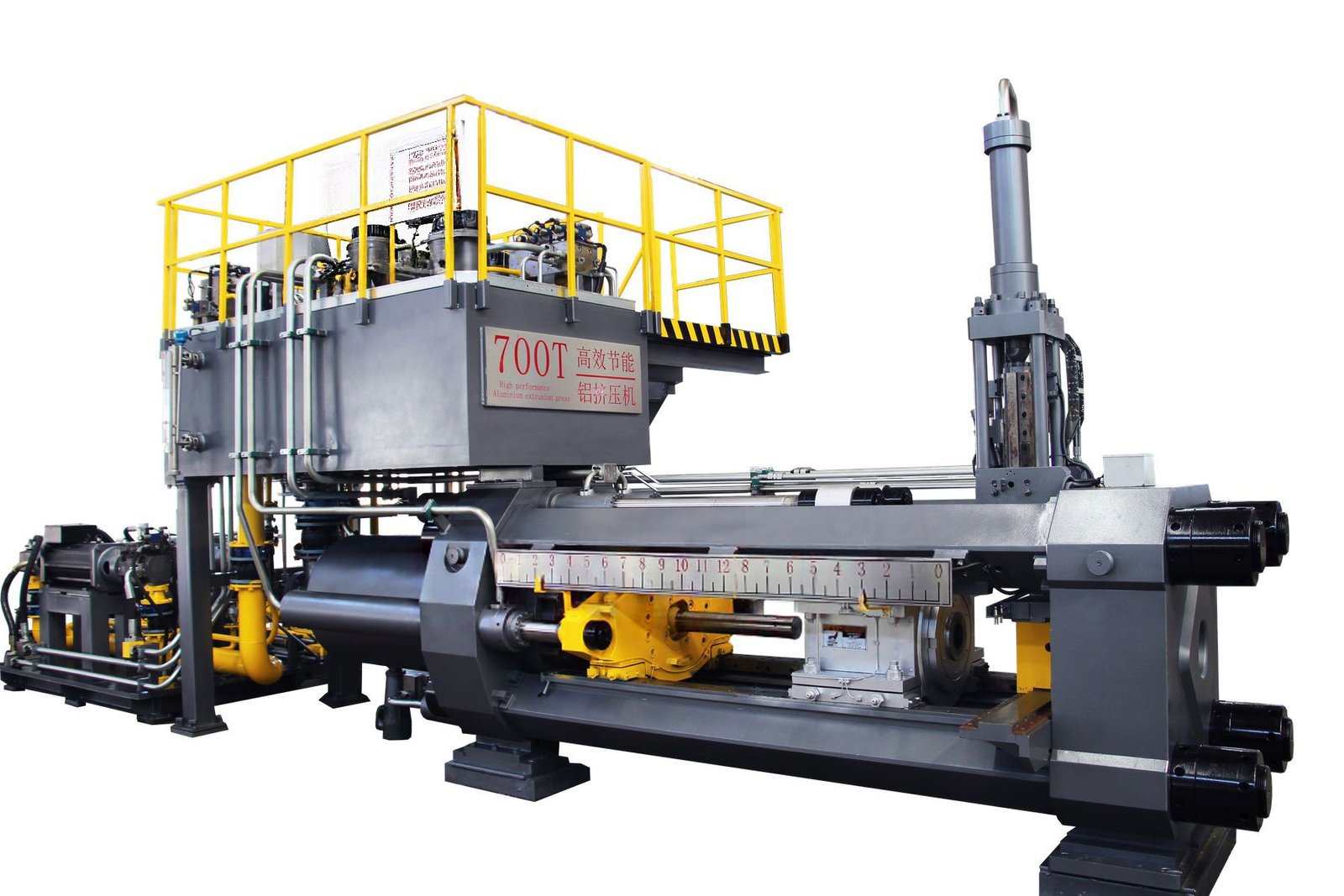
In aluminum extrusion pressesAluminum Extrusion Machine with Hydraulic System 600T-6000T, a single incomplete cut can disrupt the entire production cycle, increase scrap rates, and even shorten die life. Here’s a practical analysis based on real production experience.

1. Equipment-Related Factors
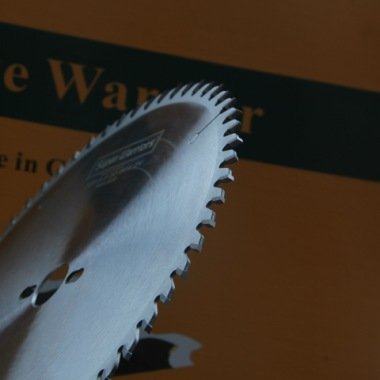
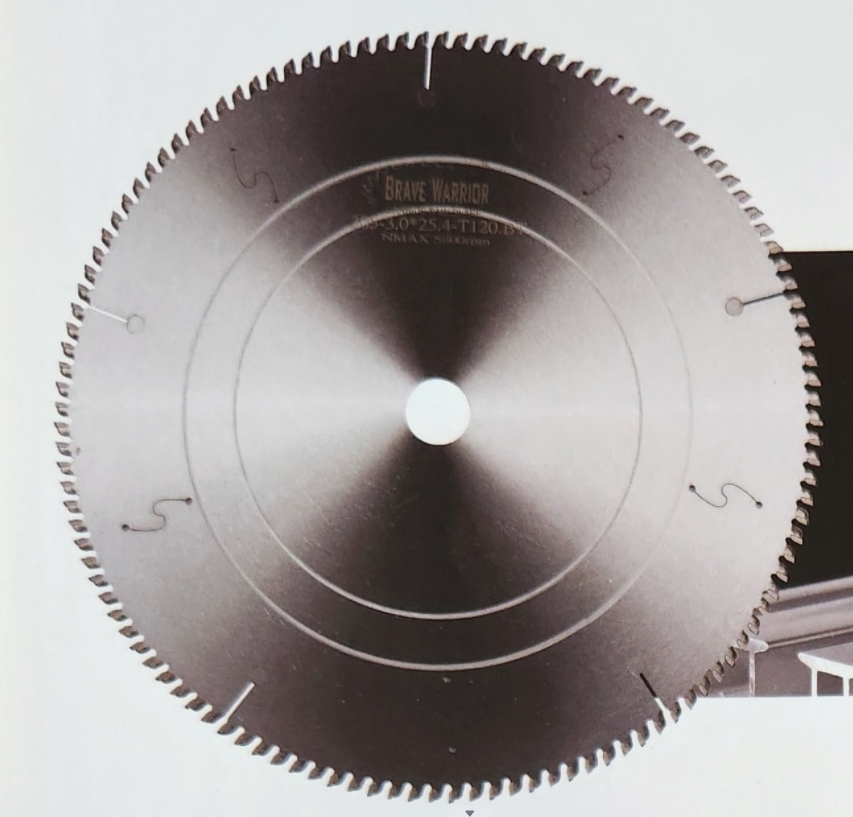
- Worn or damaged cutting blades Long-term operation causes blade edge wear or micro-cracks, significantly reducing cutting efficiency. As a result, the billet cannot be fully cut in one stroke, leading to tearing or dragging material.
- Insufficient cutting cylinder pressure Low hydraulic pressure settings, relief valve leakage, or internal cylinder leakage can all result in insufficient cutting force to overcome the resistance of hot billets.
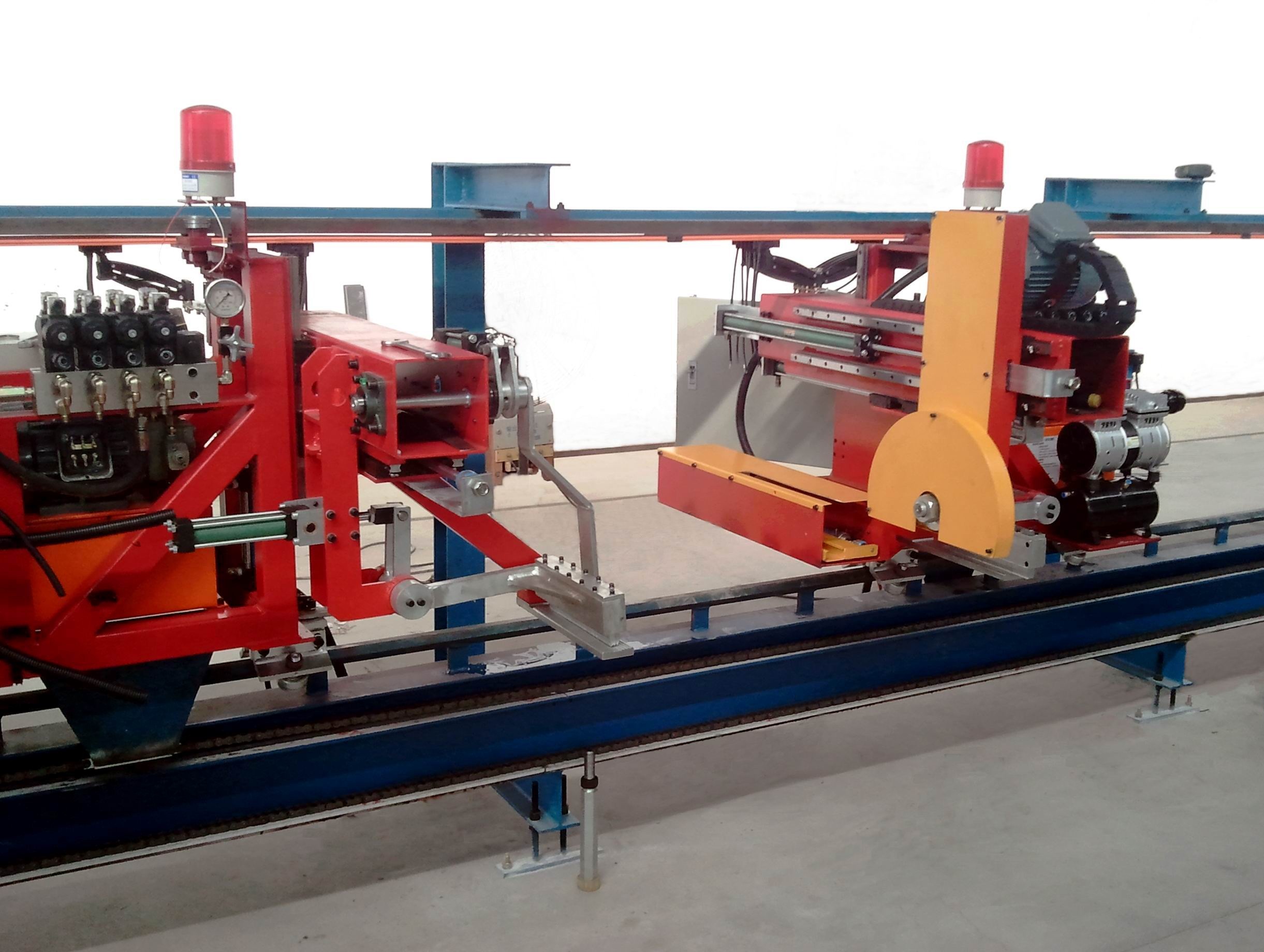
- Poor alignment of the cutting mechanism Uneven clearance or misalignment between the moving and fixed blades leads to non-uniform stress distribution, causing partial cutting and remaining connections.
- Insufficient structural rigidity or looseness Loosened frames, guides, or connections may deform elastically during cutting, reducing effective cutting force.

2. Process Parameter Factors
- Excessive billet temperature When billet temperature is too high, material plasticity increases significantly. Although shear strength decreases, ductility increases, making the billet difficult to fully shear and more prone to stretching instead of breaking.
- Improper cutting timing Poor synchronization between cutting action and extrusion cycle can result in cutting while the billet is still in a highly plastic state, increasing cutting difficulty.
- Changes in billet diameter or alloy type When switching to different billet sizes or alloys, using unchanged cutting parameters may lead to insufficient cutting force.

3. Raw Material Factors
- Soft billet structure or composition variation Inconsistent billet casting quality, coarse grain structure, or alloy composition deviation can negatively affect high-temperature mechanical properties.
- Poor billet end-face quality Uneven, angled, or cracked billet end faces cause uneven stress distribution during cutting, increasing the risk of incomplete cutting.

4. Improvement Recommendations
- Regular inspection and timely replacement of cutting blades
- Verification and stabilization of hydraulic system pressure
- Optimization of cutting timing to avoid cutting billets in overly soft conditions
- Adjustment of cutting parameters according to alloy type and billet size
- Strengthened incoming billet quality control and process monitoring

Conclusion
Incomplete billet cutting is rarely caused by a single factor. Instead, it is the result of a combined effect of equipment condition, process parameters, and material properties. Through systematic analysis and targeted optimization, extrusion plants can significantly improve cutting stability while reducing production risks and material losses.
Feel free to share your on-site experiences or solutions in the comments—industry knowledge grows stronger through collaboration.
Share This Post.
continue reading
Related Posts
Choosing the right aluminum alloy saw blade is essential for
The aluminum extrusion industry continues to grow rapidly in 2025,
Are you curious about the inner workings of aluminum profile