
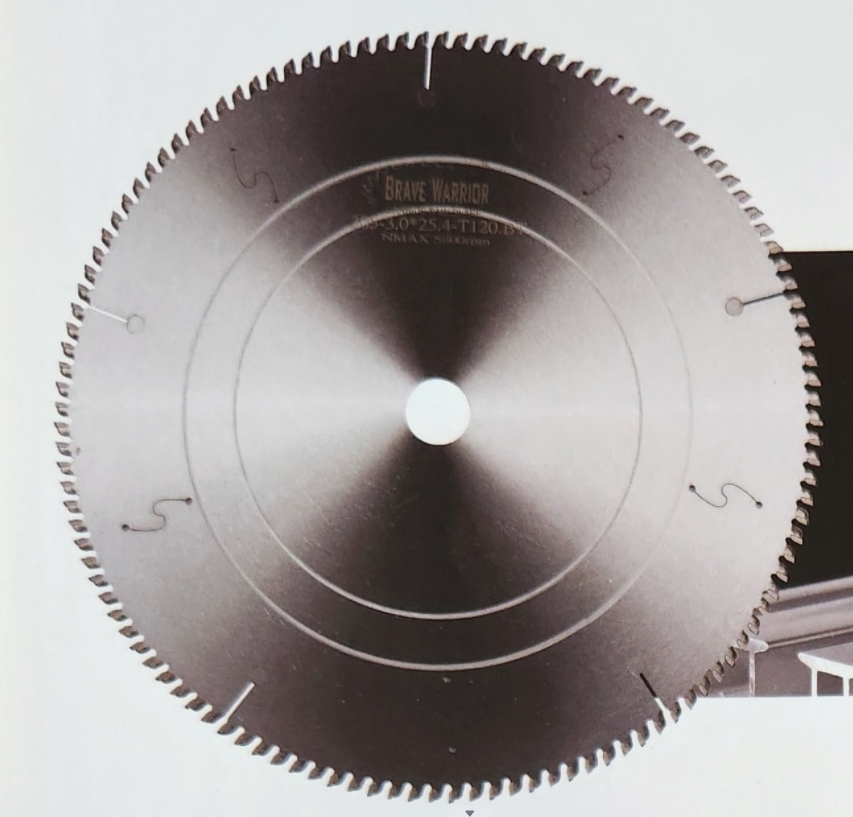
Choosing the right aluminum alloy saw blade is essential for achieving clean cuts, long blade life, and higher production efficiency. A high-quality blade reduces burrs, prevents melting, and ensures stable performance during high-speed cutting. Below are the key factors to consider when selecting the ideal aluminum cutting blade for industrial or workshop use.
1. Choose the Right Carbide Material (TCT Teeth)
High-quality aluminum saw blades should use premium tungsten carbide tips (TCT).
-
Keeps the blade sharp longer
-
Reduces burrs
-
Ensures smooth cutting on aluminum profiles, plates, and extrusions
WC + Co-based carbides are recognized as the best choice for industrial aluminum cutting.
2. Check the Tooth Geometry
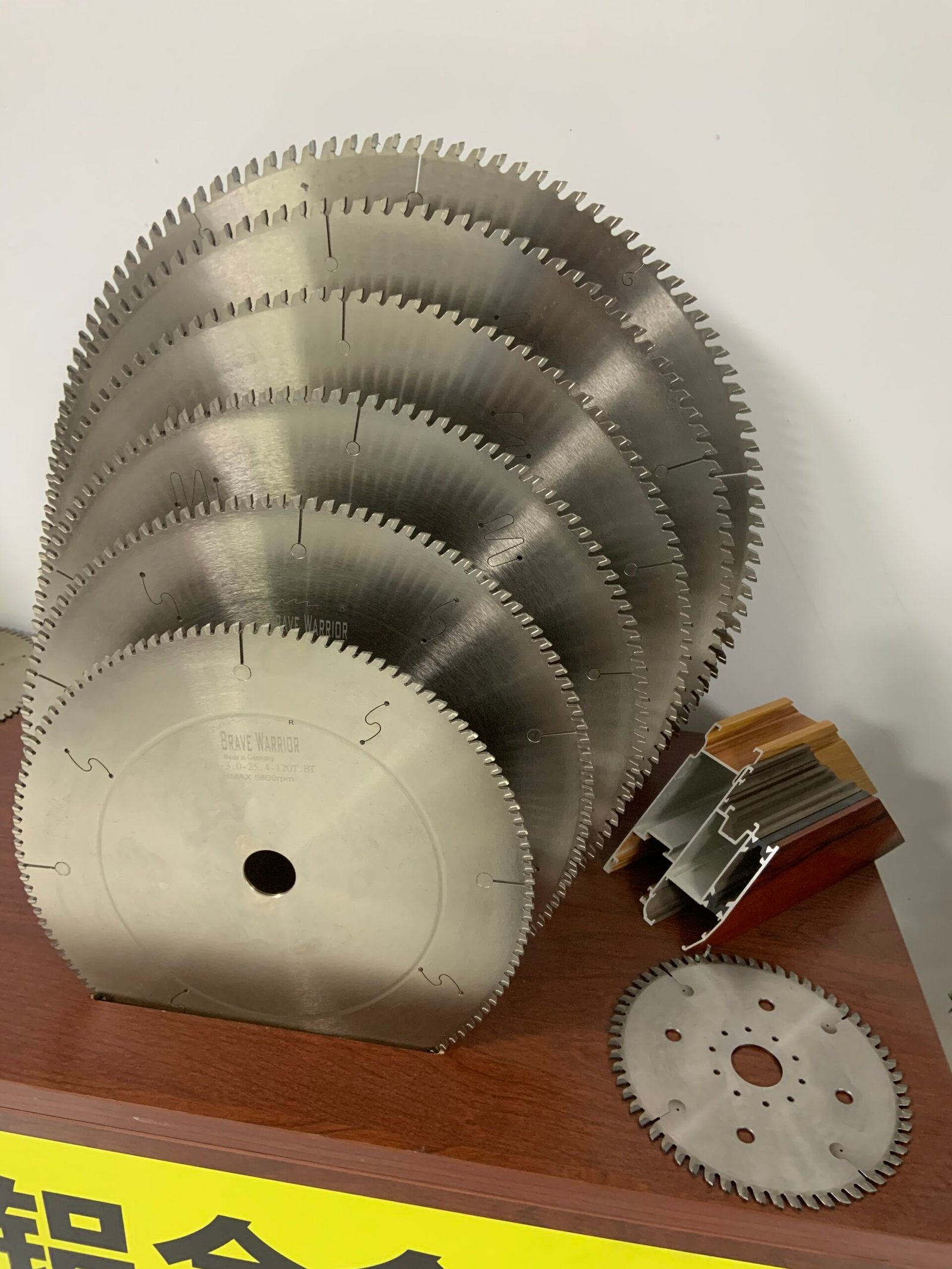
Tooth design directly affects cutting efficiency and surface quality.
Good aluminum saw blades typically feature:
-
Triple-chip grind (TCG): Ideal for thick and hard aluminum
-
Positive rake angle: Faster chip removal and smoother feed
-
Wide chip gullets: Helps prevent clogging and overheating
3. Look for a High-Stability Blade Body
A good-quality blade must have:
-
Laser-cut body for maximum flatness
-
Anti-vibration slots to reduce noise
-
Heat-dissipation grooves to prevent deformation
These features ensure accuracy during high-speed cutting operations.
4. Select the Correct Diameter and Teeth Count
Match the blade to your machine and cutting requirement:
-
Large diameter (300–450 mm): Industrial cutting machines
-
High tooth count (80–120 teeth): Smooth, burr-free finish
-
Lower tooth count: Faster cuts but rougher edges
5. Choose Blades with Special Coatings (Optional)
Premium aluminum saw blades often include protective coatings such as:
-
Teflon coating (heat resistance)
-
Titanium coating (surface hardness)
-
Anti-stick coating (prevents aluminum adhesion)
These coatings improve lifespan and reduce blade wear.
6. Consider Your Cutting Application
Different aluminum materials require different saw blades:
-
Aluminum profiles → TCG, 80–120 teeth
-
Thick aluminum plates → Larger diameter, reinforced body
-
Extruded industrial aluminum → High-stability, anti-vibration blade
-
Precision cutting → Premium carbide and coated blades
7. Buy From a Reliable Manufacturer
A good aluminum saw blade supplier should offer:
-
Stable quality control
-
Industrial-grade carbide
-
Professional guidance for machine matching
-
After-sales support and OEM customization
Choosing a trusted manufacturer ensures both blade performance and long-term cost efficiency.
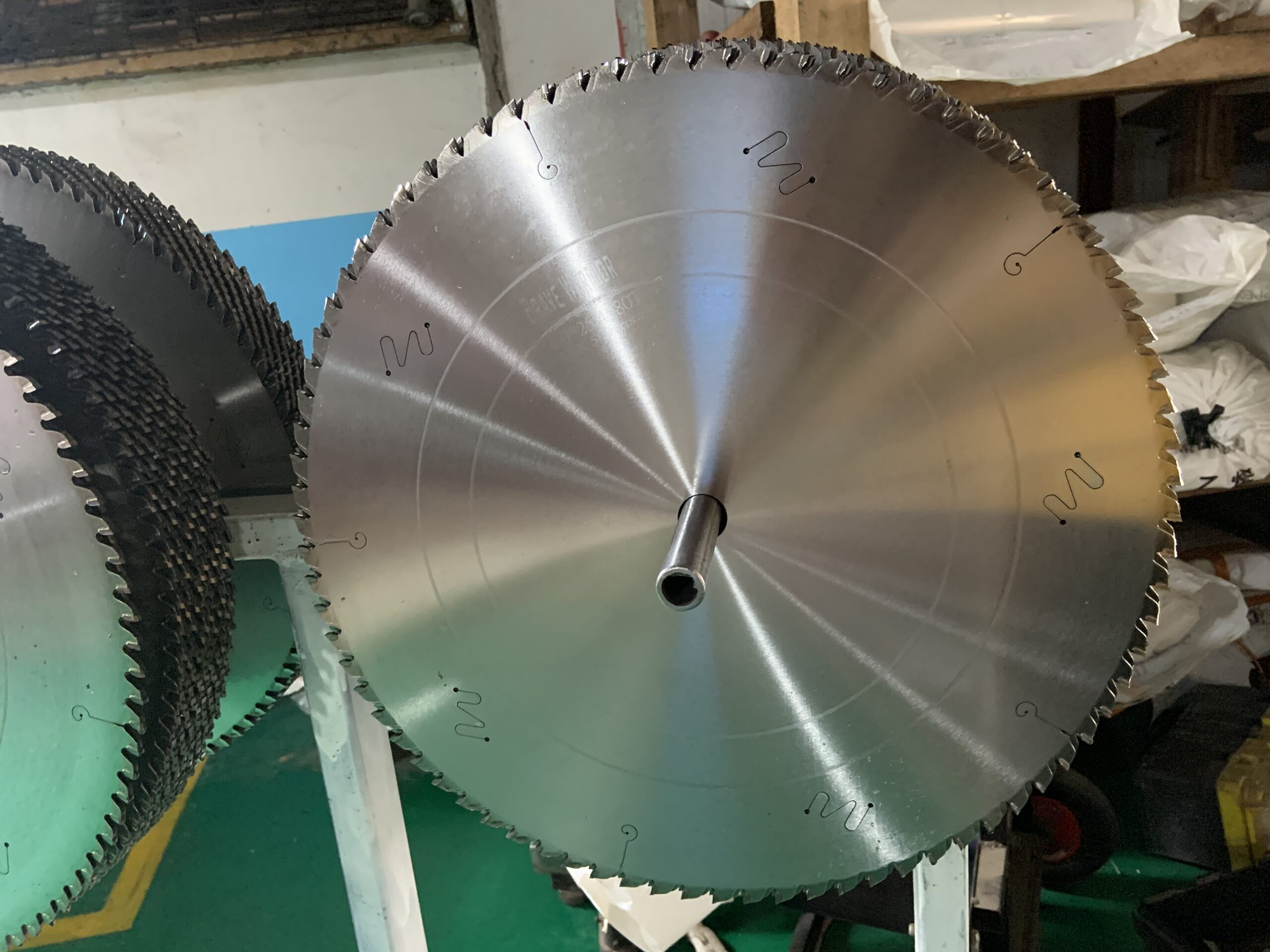
Aluminum Profiles Metal Cutting Industrial Type Extrusion Line Saw Blade
Share This Post.
continue reading
Related Posts
Incomplete billet cutting may look like a small issue—but it
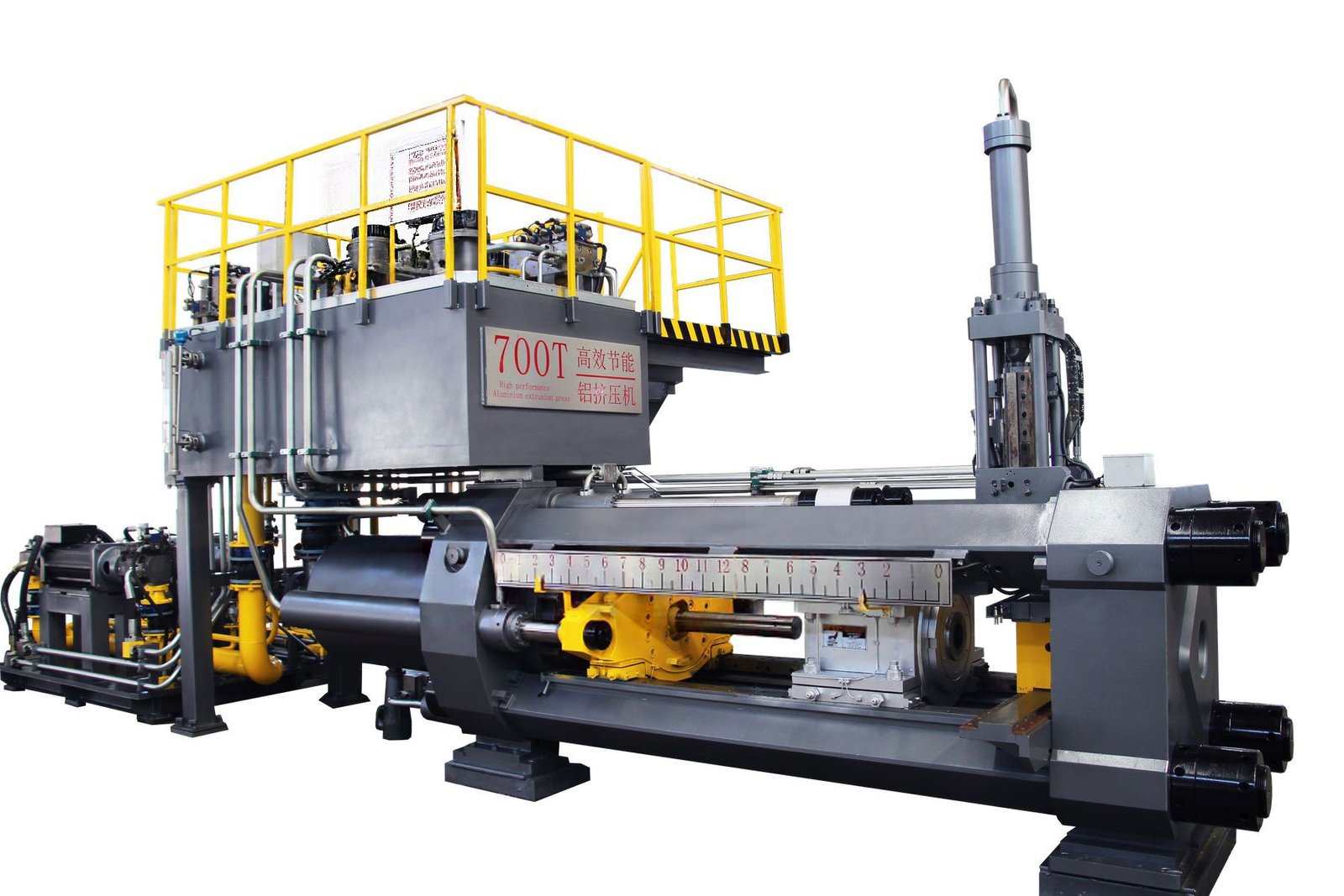
The aluminum extrusion industry continues to grow rapidly in 2025,
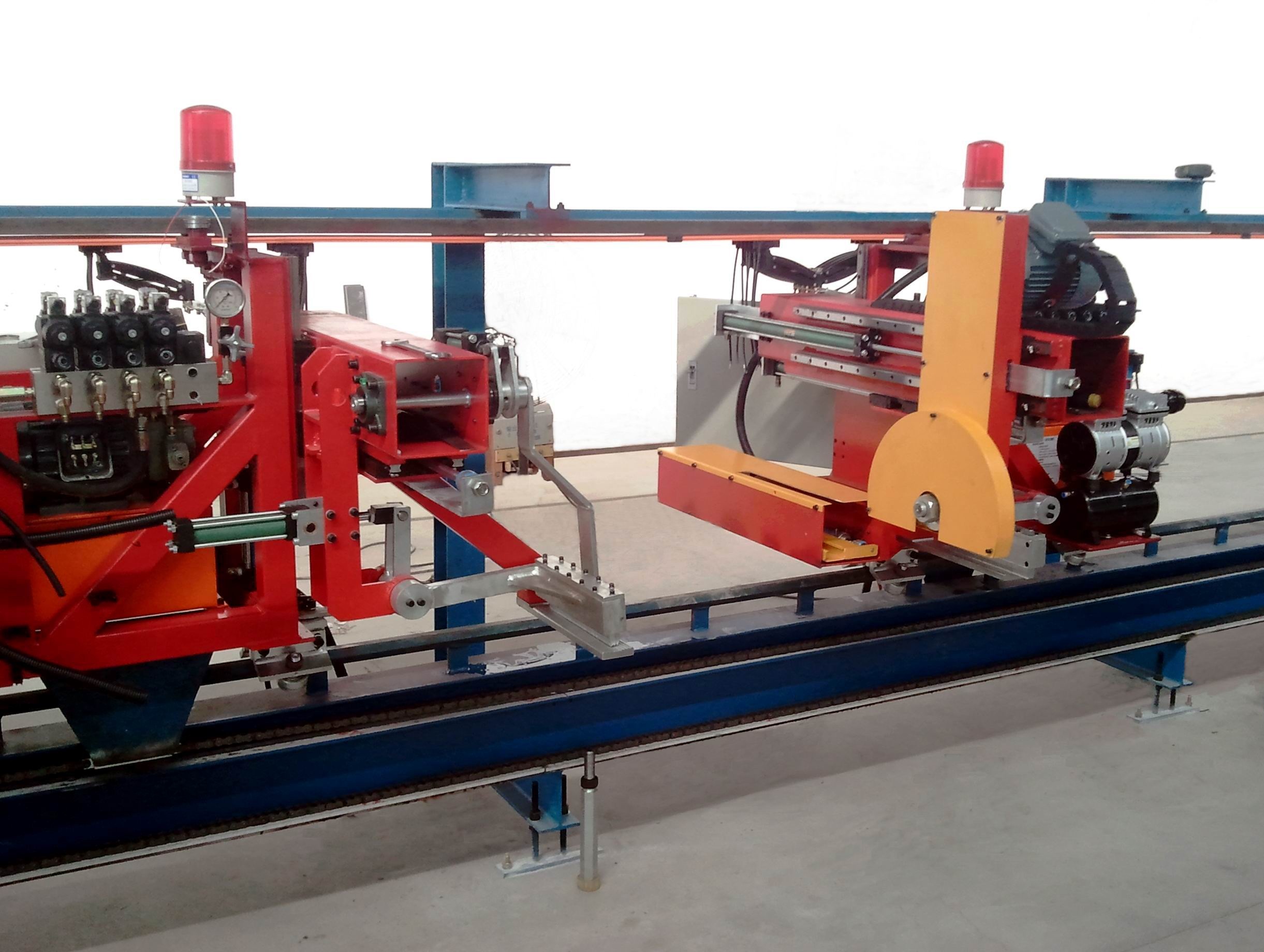
Are you curious about the inner workings of aluminum profile